
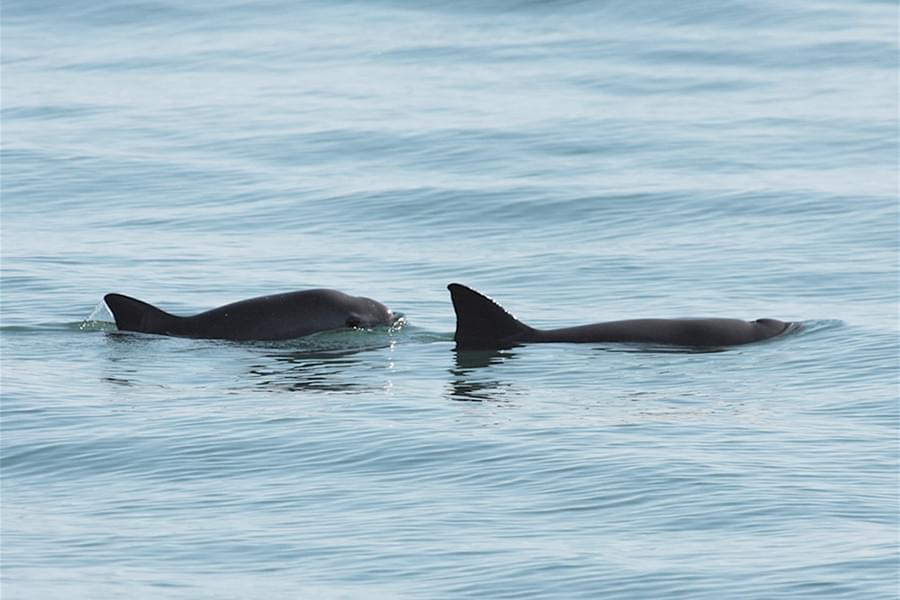
Mexico has sharply reduced restrictions on fishing nets that kill vaquitas, prompting warnings that the world’s most endangered marine mammal is being pushed closer to extinction.
An estimated ten of these small porpoises remain, compared with nearly 600 in 1997. Yet regulations introduced on 14 October reduce the area where gillnets are prohibited by approximately 86%, according to the Animal Welfare Institute and partner organisations. Thousands of square kilometres of historical vaquita habitat lose that protection.
The changes also introduce a vessel transit corridor through the designated Zero Tolerance Area, where fishing and vessel traffic were previously prohibited. Restrictions on nighttime fishing have been shortened by three hours, while a requirement for satellite vessel tracking will not take effect for another year.
Found only in Mexico’s northern Gulf of California, vaquitas become entangled in fishing nets and drown when they cannot reach the surface to breathe. Gillnets used to catch shrimp and totoaba, a fish whose valuable swim bladder is illegally traded, have driven their devastating decline.
Mexico’s government says the changes balance biodiversity protection with fishing communities’ livelihoods. Some scientists hope concentrating enforcement within a smaller area could improve protection. But conservation organisations warn that vaquitas have been recorded beyond the area where the ban is currently enforced.
The wider conservation challenge remains unchanged. NOAA Fisheries identifies eliminating gillnets from vaquita habitat as central to saving the species. Effective protection must also give fishing communities the support and practical alternatives needed to fish without killing the porpoises.
For everyone working to protect whales, dolphins and porpoises, the vaquita’s plight is a stark reminder of what is at stake when protection fails. With so few animals remaining, every preventable death carries enormous consequences. The test of these new rules will be whether they keep those last vaquitas alive.

Help protect whales and dolphins
Your donation funds vital research, conservation projects, and citizen science efforts around the world. Every pound makes a difference.