

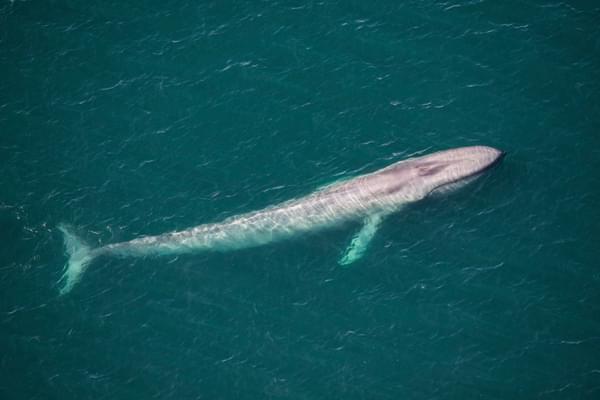
Gray whales struggling to find enough food are facing another deadly threat, collisions with vessels as they enter busy coastal waters.
OceanCare has raised concern about the Eastern North Pacific population, reporting that 187 gray whales were found dead between Mexico and Alaska from January to mid August 2026. Many were emaciated.
These whales were once celebrated as a conservation success. After commercial whaling brought them close to extinction, their numbers recovered, reaching around 27,000 in 2016. Since then, widespread deaths and poor breeding success have raised questions about their future.
Changes in Arctic feeding grounds are reducing the food available to sustain their migration between Mexico and northern waters. Whales depend on building sufficient fat reserves, with females also needing enough energy to support their calves.
However that search for food may now be exposing some to greater danger.
A study published this year examined gray whales using San Francisco Bay between 2018 and 2025. Of 70 dead whales recorded in the study area, 30 had injuries consistent with vessel strikes before death.
Researchers identified 114 individual whales visiting the bay and matched 21 to carcasses, meaning at least 18% of those identified subsequently died. Their findings highlight the risks when whales enter waters heavily used by shipping.
The population picture needs care. NOAA’s latest estimate is around 17,750 whales, higher than its 2025 estimate, but scientists warn that changes in migration patterns and survey assumptions may help explain that apparent increase. It should not be taken as proof of recovery.
Breeding remains a concern. Just 85 calves were estimated in 2025, the lowest figure since monitoring began in 1994.
OceanCare is calling for ships to slow down, a measure that can reduce the risk of fatal collisions while also cutting underwater noise and greenhouse gas emissions.
For whales already struggling to feed, reducing avoidable deaths is urgent. Protecting their feeding grounds and making the waters they travel through safer must go together. Their recovery from whaling shows what protection can achieve, but that progress cannot be taken for granted.
Main Image Credit: Terry Carne
Help protect whales and dolphins
Your donation funds vital research, conservation projects, and citizen science efforts around the world. Every pound makes a difference.