
Bycatch is usually discussed in numbers. How many dolphins, porpoises or whales have been caught, how many deaths a population can withstand, whether a species is declining. But two new studies are a reminder that behind every statistic is an individual animal, and that the true cost of becoming trapped in fishing gear is a prolonged and dreadful death. Globally, fisheries bycatch is estimated to kill hundreds of thousands of marine mammals every year.
New research published in Frontiers in Ethology examines what scientists call peracute underwater entrapment, or PUE. This occurs when a marine mammal becomes caught in fishing gear and is unable either to break free or reach the surface to breathe. The consequences can include injury, exhaustion, disorientation, acute physiological and psychological stress, asphyxiation and death. Depending on the species and circumstances, that death can take minutes or considerably longer.
The researchers also draw attention to something much harder to measure, what the trapped animal may actually experience. Fear, panic, pain, breathlessness, fatigue and confusion are all considered relevant welfare states. And for highly social species such as dolphins and porpoises, the effects may not stop with the animal caught in the net.
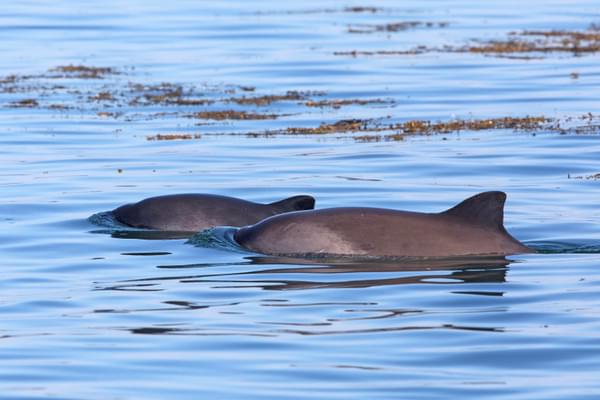
One extraordinary example involved two harbour porpoises recorded acoustically around a fishing net in the North Sea. When one became entangled, its acoustic behaviour changed. After it died, the second porpoise continued calling and clicking towards the net for at least 59 minutes, and perhaps for several hours. The researchers cannot know precisely what relationship existed between the animals, but the observation offers a rare glimpse of how a bycatch death may affect and even traumatise surviving companions.
At the same time, another newly published study brings the scale of the problem much closer to home. Between 2018 and 2024, 867 short beaked common dolphins were reported stranded around Cornwall. Of the 175 animals examined post mortem, 39 per cent had died as a result of bycatch, making it the most common diagnosed cause of death. Evidence suggested smaller vessels using static nets, and potentially drift nets, were responsible for much of the identified mortality.
Cornwall has been recognised as a UK hotspot for cetacean bycatch for decades. Although the proportion of examined dolphins dying in fishing gear has fallen from levels recorded 20 or 30 years ago, the latest evidence makes clear that the problem is far from solved.
Strandings investigations provide an invaluable window into what is happening at sea, but they can only reveal part of the picture. Researchers are calling for better monitoring across fishing fleets, alongside effective measures to prevent animals becoming caught in the first place.
Bycatch is therefore not simply a question of whether populations can absorb a certain number of deaths. It is an acute animal welfare issue too. Every animal caught represents an individual experience of fear, injury and distress, and sometimes a loss that may reverberate through the social group left behind.
Understanding that should strengthen the urgency to prevent it.
Help protect whales and dolphins
Your donation funds vital research, conservation projects, and citizen science efforts around the world. Every pound makes a difference.