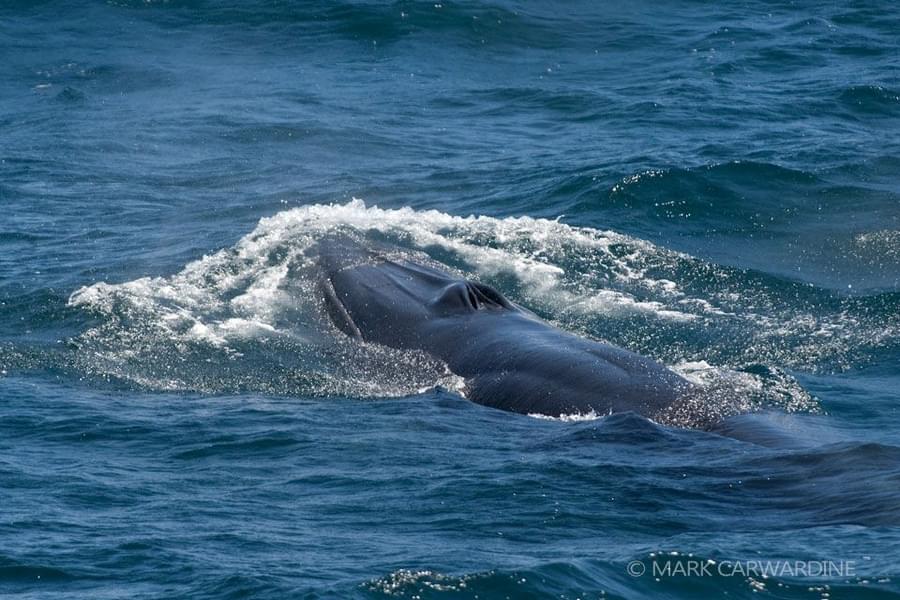
Japan’s offshore whaling season closed in December, with the whaling mother ship Kangei Maru returning to Shimonoseki. Monitoring reported that quotas were fully taken for fin whales (60) and Bryde’s whales (143), while the hunt fell short for sei whales (35 of 56) and minke whales (55 of 111). In total, the season produced around 1,530 tonnes of whale meat - well below a 2,000-tonne production target that the industry had been working towards.
On paper, “reduced catch” might sound like a step in the right direction. But it isn’t automatically good news. The same reporting that logged the shortfall also points to unsettling explanations: difficult sea conditions, plus accounts that some fin whales taken early in the season were “very thin”. That raises uncomfortable questions about what’s happening in the ecosystem the hunts depend upon, especially as ocean warming reshapes prey, migration routes, and ocean productivity.
Japanese media coverage of the season shows how strongly the industry is working to secure social licence. In April, TV Asahi framed the start of the hunt as an economic and cultural story: the Kangei Maru - built at a reported cost of around ¥8 billion (or £37 million) set out aiming to catch fin whales, described as the “king of whales” for their meat. The report also spotlighted company messaging that frames whaling as “ecosystem management” the idea that whales must be “culled” to keep seas “balanced”. This sort of logic somewhat assumes the oceans were muddling through for millennia - until whalers arrived to set nature back on the straight and narrow.
Then, in early December, a regional TBS affiliate report about Kangei Maru’s return struck a pragmatic tone: the company blamed “dense fog and other bad weather” for landing 1,530 tonnes rather than the 2,000 tonnes planned, yet still described the season as “a fair / so-so result”. The company president, Hideki Tokoro, acknowledged the difficulty of locating whales and said the fleet managed only about “75%” of what was intended - adding simply that they were “hoping for next year.”
It’s also worth remembering what whale hunts remove from populations. One of the starkest facts in the wider whaling record is how often pregnant whales are killed: during Japan’s former Antarctic “research” whaling, analysis found 122 of 181 female minke whales killed were pregnant. That isn’t “history” in any moral sense. And neither is it a very sophisticated ecomanagement tool. It’s a reminder that a harpoon is a very blunt instrument that doesn’t distinguish between a whale and the future of a whale population.
Japan’s Fisheries Agency continues to set annual catch limits (TACs) for commercial whaling, and says these are calculated using methods developed within the IWC’s management framework. But the reality remains: Japan resumed commercial whaling in its own waters after leaving the IWC system in 2019, and international concern has never really gone away.
For ORCA, the direction of travel is clear. If the goal is healthy seas and resilient whale populations, the future lies in non-lethal science, meaningful protections, and responsible wildlife tourism - not expanding markets for a product that requires whales to die to keep a struggling, yesterday-industry afloat.
Your donation funds vital research, conservation projects, and citizen science efforts around the world. Every pound makes a difference