Iceland’s resumed commercial whaling season is only a few weeks old, but already it has exposed exactly why this cruel and outdated industry should have been consigned to history.
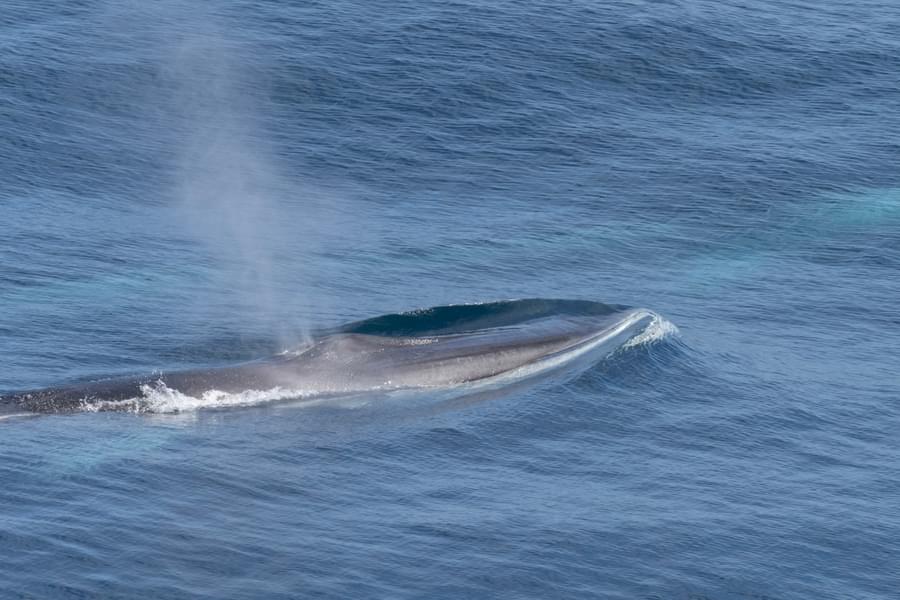
After a two-year pause, vessels operated by Hvalur hf. have returned to sea to hunt fin whales, the second-largest animals on Earth and a species still listed globally as vulnerable. In the first days of the season, the reality has been grim.
According to reports based on Icelandic veterinary authority monitoring, one fin whale was shot four times with explosive harpoons and took around 31 minutes to die. The whale was first struck, appeared to go under, then resurfaced alive before further shots were fired. This is not humane slaughter. It is prolonged suffering at sea.
That case is part of a wider pattern of concern. Reports from Iceland suggest that several whales have already been killed since the hunt resumed, including a pregnant fin whale and her unborn calf. Icelandic animal welfare and conservation organisations have called for the hunt to be suspended, citing serious welfare concerns and the apparent failure of regulation to prevent suffering.
This matters because Iceland has been here before. In 2023, official scrutiny exposed major welfare failures in Icelandic whaling, including whales taking extended periods to die after being struck by explosive harpoons. Rules were tightened, but the evidence emerging this season suggests the central problem remains: large whales cannot be reliably killed humanely at sea.
And then came the scenes on land.
Icelandic media reported that, as a dead whale was hauled ashore at Hvalfjörður, Iceland’s national anthem was played over loudspeakers. A worker then reportedly behaved obscenely with part of the whale’s body in front of cameras. According to Vísir, even Hvalur’s owner, Kristján Loftsson, was far from pleased with the incident.
But the strongest condemnation came from Iceland’s own Minister of Industries, Hanna Katrín Friðriksson. She criticised the use of the national anthem in those circumstances as inappropriate and described the wider episode as “empty nonsense”. She said the behaviour showed disrespect: disrespect towards the animal, disrespect towards Iceland’s use of marine resources, and disrespect towards tourism, one of the country’s major industries. Her blunt message to those involved was simple: “behave like adults.”
Her intervention matters. This was not an international campaigner criticising Iceland from the outside. This was an Icelandic minister recognising that the conduct at Hvalfjörður was not only grotesque, but damaging to Iceland itself.
Iceland is admired around the world for its extraordinary wild landscapes, dramatic seas and remarkable marine life. Whale watching is one of the ways visitors experience that natural wonder. Commercial whaling tells a very different story - one of explosive harpoons, prolonged deaths and dead whales dragged ashore to scenes that even domestic supporters struggle to defend.
Whaling is not an expression of national pride. It is becoming a national embarrassment.
That is unfair to the many Icelanders who oppose whaling, who do not eat whale meat, and who want their country associated with protection, not slaughter. The continued hunt is not simply damaging Iceland’s reputation overseas; it is increasingly out of step with the values many Icelanders are expressing at home.
Whales have a value far beyond their price as meat. They are sentient, social, ocean-shaping animals, vital to marine ecosystems and loved by people across the world.
The first weeks of this season have shown exactly why Iceland must act. Commercial whaling belongs in the past. It is time to end it for good.
.jpg?w=600&h=400&q=85&auto=format&fit=crop&dm=1683137512&s=b8de5152106350fb9c777ed95ab55f0b)
By joining ORCA, you stand alongside others who care about the future of our oceans, all working toward the same vision: oceans alive with whales and dolphins.